
Understanding the Impact of Soil on Successful Projects
Soil quality plays a crucial role in determining the success of your landscaping projects. Good soil supports healthy plant growth and ensures long-term sustainability. Poor soil, however, can lead to stunted plants, increased maintenance costs, and even project failure. By paying attention to soil quality, you can avoid these pitfalls and ensure your landscape flourishes.
Why Soil Quality Matters
Soil acts as the foundation for all landscaping projects. It provides essential nutrients, holds water, and offers support for plant roots. A robust soil structure ensures that plants receive what they need to grow strong and vibrant. Without good soil, even the best-designed landscapes can struggle to thrive. Proper Landscape Installation requires an understanding of the soil’s condition and how it affects everything above it.
The Connection Between Plants and Soil
A landscape’s success heavily depends on the symbiotic relationship between plants and the soil. Healthy soils promote robust root systems, which are vital for plant survival. When installing landscapes, assessing soil conditions allows for strategic decisions that enhance plant health and longevity. Ignoring this factor during Landscape Installation can result in weak plant growth and higher maintenance needs.
Common Soil Problems in Landscaping
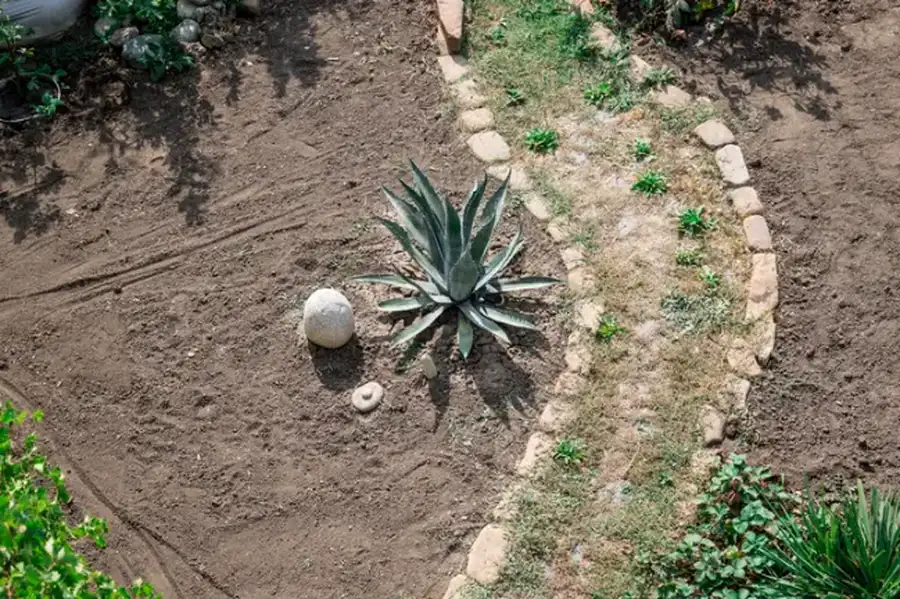
Poor soil drainage is a common issue that can harm plants by drowning their roots. Similarly, compacted soil restricts root growth and makes it hard for plants to access nutrients. Another problem is pH imbalance, which can prevent plants from absorbing necessary minerals. Addressing these issues during planning helps prevent future challenges.
Steps to Improve Soil Quality
Improving soil quality involves several key steps:
- Conduct a soil test to understand its current state
- Add organic matter like compost to enrich nutrient content
- Aerate compacted soil to improve water flow and root penetration
- Adjust pH levels if needed using lime or sulfur
- Implement regular mulching to retain moisture and add nutrients
Benefits of High-Quality Soil
Investing in high-quality soil offers many benefits. Healthy soil reduces the need for frequent watering, saving both time and resources. It encourages deep root development, leading to more resilient plants that require less maintenance. Furthermore, good soil enhances overall landscape aesthetics by supporting lush, thriving greenery.
Expert Tips for Maintaining Soil Health
Consistently maintaining soil health is critical for long-term landscape success:
- Regularly check soil moisture levels to avoid overwatering
- Rotate plants seasonally to allow soil recovery
- Use cover crops during off-seasons to add nutrients naturally
- Avoid chemical fertilizers that may degrade soil structure over time
- Incorporate native plants suited to your local soil conditions
The Cost Implications of Ignoring Soil Quality
Navigating the cost implications of neglecting soil quality is crucial for budget-conscious projects. While initial investments in soil testing and amendments might seem costly, they prevent more expensive fixes down the line. Poor soil leads to plant replacement costs and ongoing maintenance fees, ultimately increasing total expenses.
Your Path to Successful Landscaping Begins Here
At SoonGreen Landscaping Services Inc, we recognize the pivotal role soil plays in landscape achievements. Our team is dedicated to ensuring your project starts with a solid foundation. Contact us at (561) 739-0372 for a consultation tailored to your needs. Situated in Greenacres, FL, we proudly serve our community with exceptional attention to detail and expertise in sustainable landscaping practices.