
Optimize Your Garden’s Health With the Right Timing
Getting your landscape just right involves careful planning and execution. One critical factor is the timing of adding protective layers to your soil, known as mulching. Understanding when to apply these organic or inorganic materials can significantly impact plant health and growth. By choosing the right time for application, you can enhance water retention, reduce weeds, and improve soil quality. This guide will provide you with valuable insights into seasonal timing strategies, ensuring your garden thrives year-round.
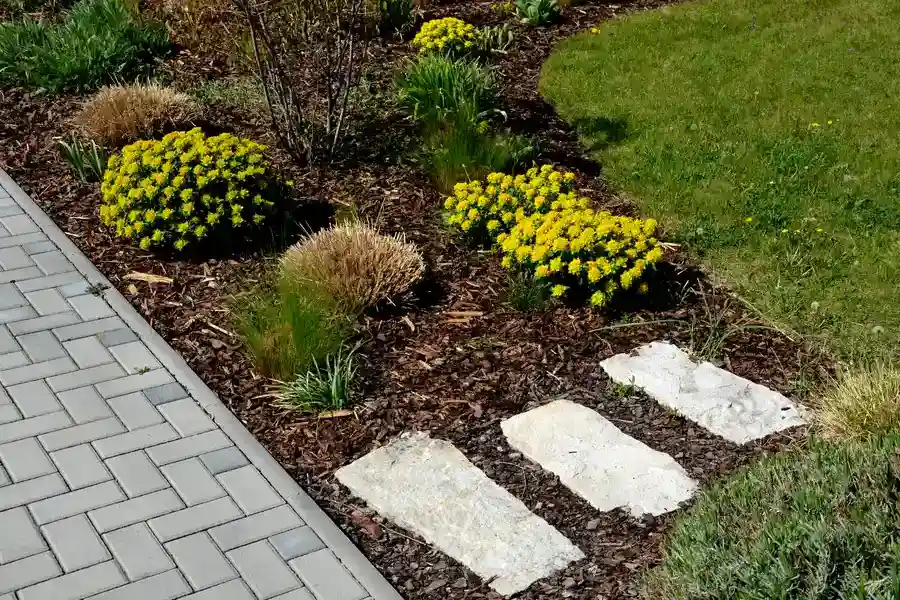
The Importance of Seasonal Timing
When you align mulching activities with the seasons, you cater to the specific needs of plants at different times of the year. Spring and fall are typically ideal for spreading this protective layer. During spring, it helps to conserve moisture as temperatures rise, while in fall, it insulates roots against impending frosts.
Spring Application Benefits
Applying mulch in spring offers several advantages. It helps regulate soil temperature, keeping it warm enough for young seedlings. Additionally, it preserves moisture during dry spells, which is vital for plant growth. Spring mulching also suppresses early weed growth, giving your plants a better chance to thrive.
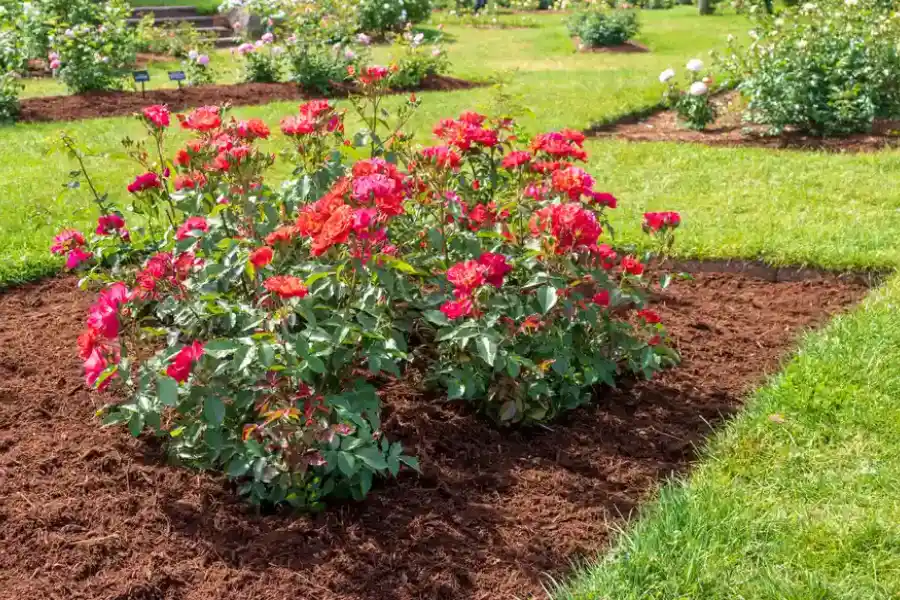
Fall Preparation Strategies
In autumn, adding a layer serves as a blanket over your garden beds. It protects perennials by insulating their roots from cold snaps. Fall mulching reduces erosion from heavy rains and wind, maintaining soil integrity through harsh weather conditions.
Types of Materials to Use
Selecting the right type of mulch can influence its effectiveness throughout the seasons. Organic options like shredded leaves and straw decompose over time, enriching the soil with nutrients. Inorganic choices such as gravel offer long-term solutions without the need for frequent replacement.
- Organic options: Shredded bark, compost, straw
- Inorganic choices: Gravel, river stones, landscape fabric
Challenges You Might Face
Timing isn’t just about picking a season; it’s also about knowing your local climate. Unpredictable weather patterns can complicate schedules. Over-mulching can lead to excess moisture retention, causing root rot. It’s crucial to monitor weather forecasts and adjust plans accordingly.
Adapting to Local Conditions
Your region’s climate plays a significant role in determining optimal application times. If you’re in an area with heavy rainfall, ensure drainage paths aren’t obstructed by mulch buildup. Conversely, in arid areas, extra coverage might be necessary to retain soil moisture effectively.
Expert Recommendations on Quantity
Aim for a depth of 2-4 inches around plants to achieve maximum benefits without suffocating them. For trees, avoid piling materials directly against trunks to prevent rot and pest infestation.
- Assess climate conditions before planning.
- Select suitable materials based on availability and cost.
- Ensure consistent coverage without excess accumulation.
Caring for Your Mulch Layer
Maintenance is key. Regularly check for signs of decay or pest activity. Replenish decomposed organic layers annually to maintain effectiveness. Remember that even durable inorganic materials may require occasional rearrangement due to wind or animal disturbance.
Choose the Right Time for Lasting Results
For effective landscaping results, understanding seasonal timing is essential. By following these tips and consulting local experts when needed, you can maximize benefits while minimizing risks. Contact us today at (561) 739-0372 for personalized advice tailored to your specific area in Greenacres, FL. Let SoonGreen Landscaping Services Inc help you create a stunning outdoor space that flourishes all year long.