
The Consequences of Storm Damage on Trees and Surrounding Areas
When storms hit, they can cause significant damage to trees, which in turn affects your landscape. Understanding how storm-damaged trees impact your yard is crucial for maintaining a safe and beautiful environment. Storms can break branches, uproot trees, and even cause trees to fall. These events not only change the look of your space but also pose safety risks. This article will explore the various effects of storm-damaged trees and provide insights on managing the aftermath effectively.
Safety Risks Posed by Damaged Trees
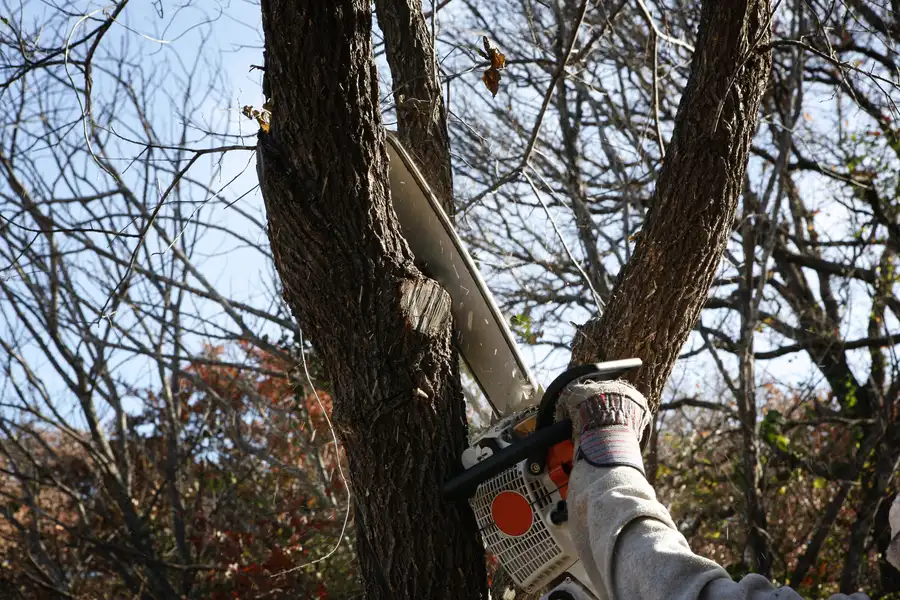
Storm-damaged trees can create safety hazards around your home. Broken branches may hang precariously from trees or fall unexpectedly, posing threats to people and property below. Large, fallen trees might block driveways or walkways, making access difficult. Addressing these dangers often requires professional tree removal service to ensure that all debris is safely cleared away.
Effects on Property Value and Aesthetics
A well-maintained landscape adds value and appeal to your property. However, when trees suffer from storm damage, this can diminish the aesthetic appeal and lower property values. Missing foliage, broken limbs, and exposed roots give an unkempt appearance. Investing in a reliable tree removal service helps restore beauty and order to your outdoor space.
Environmental Impacts of Tree Loss
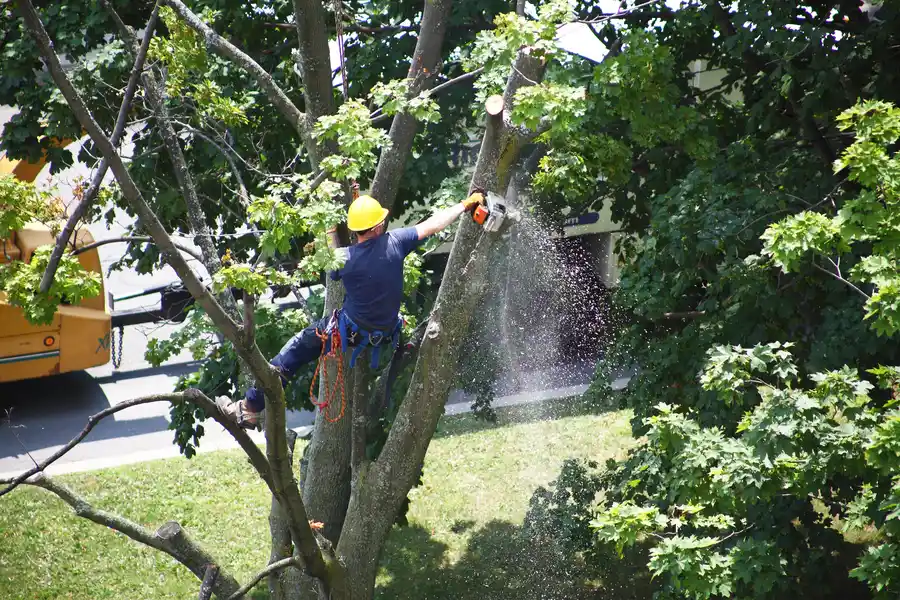
Trees play a vital role in providing shade, reducing erosion, and supporting wildlife habitats. When storms damage or remove them, it disrupts these benefits. The loss of shade increases temperatures around your home, leading to higher energy costs. Soil stability weakens without tree roots holding it in place, potentially causing erosion problems.
Preventive Measures Before Storms Hit
Taking proactive steps before a storm hits can minimize tree damage. Regularly inspect trees for signs of weakness or disease. Trim dead or overgrown branches to reduce wind resistance. Secure young trees with stakes to help them withstand strong winds. Implementing these measures reduces the likelihood of severe damage during storms.
Steps for Post-Storm Assessment
After a storm passes, assess your trees for visible signs of damage. Look for split trunks, hanging branches, or leaning trees that could fall later. Document any damage with photos for insurance purposes. Contact a professional arborist if you identify any major issues that require specialized attention.
Managing the Cleanup Process Effectively
Handling the cleanup process after storm damage is essential for safety and restoration. Begin by clearing smaller debris such as fallen leaves and branches. For larger tasks like removing heavy limbs or entire trees, hiring professionals ensures the job is completed efficiently and safely.
- Remove small debris first to prevent tripping hazards.
- Contact experts for handling large or dangerous tree parts.
- Check with local services for disposal guidelines or assistance.
Long-Term Landscape Recovery Plans
Recovery from storm damage is not just about immediate fixes; it’s about planning long-term solutions. Consider replacing lost trees with native species suited to the local climate for resilience against future storms. Regular maintenance practices keep your landscape healthy and ready to face new challenges.
Expert Help With Tree Care
If you need expert assistance with tree care following a storm, contact us today. Located in Greenacres, FL, we specialize in restoring landscapes affected by severe weather conditions. Our team at SoonGreen Landscaping Services Inc provides tailored solutions to bring back beauty and safety to your outdoor spaces. Call us at (561) 739-0372 for more information on our comprehensive services.